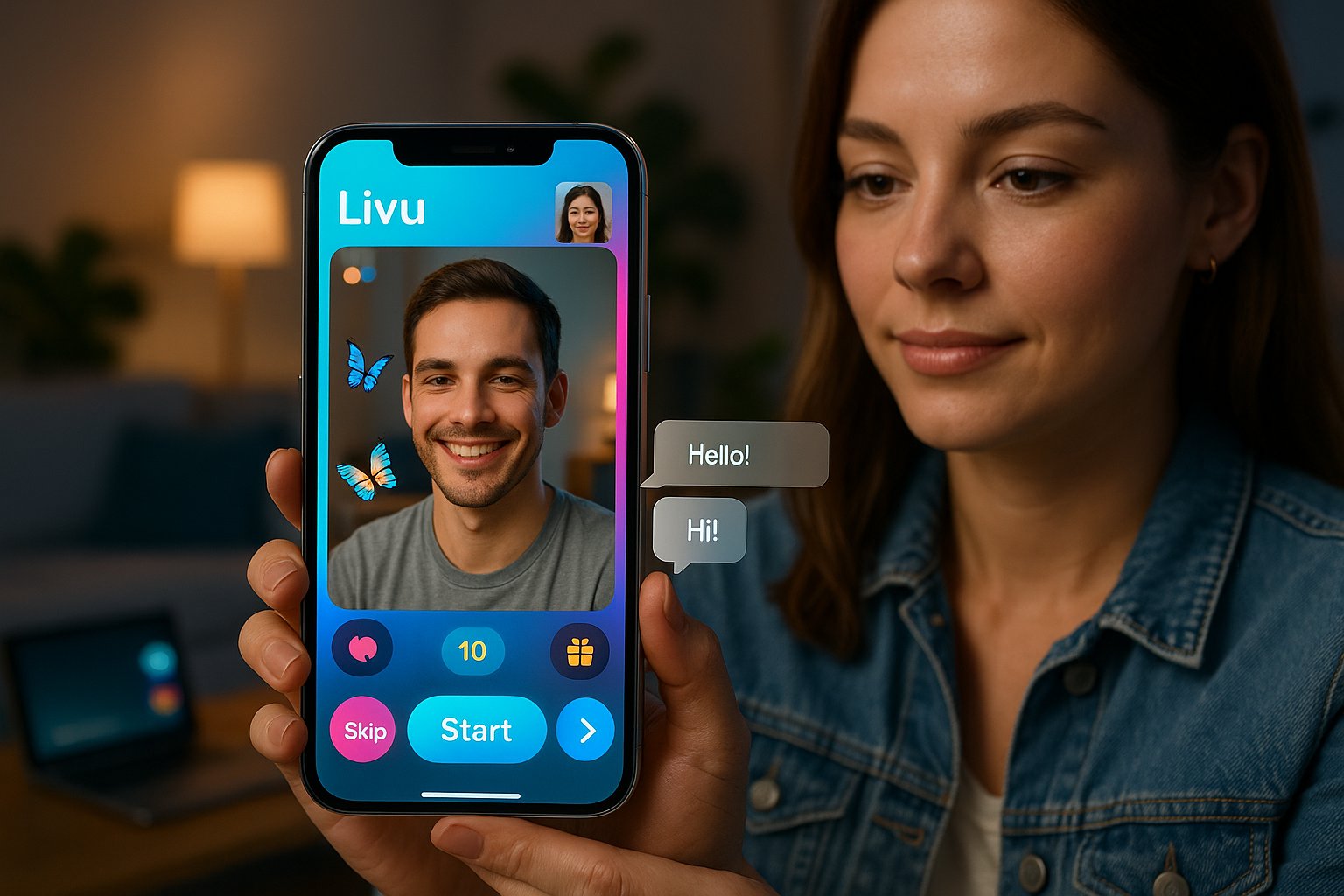
Random video chat apps keep evolving: in 2026, LivU (often searched as “livuapp”) remains one of the recognizable names. We tested the app to see whether it’s still a useful way to meet strangers, practice language skills, or kill time. This review focuses on real-world usability, moderation and privacy, how LivU compares to curated alternatives like VibeCam, and whether it’s worth installing now. We’ll be direct about strengths, where the app falls short, and who should, and shouldn’t, use it.
At A Glance
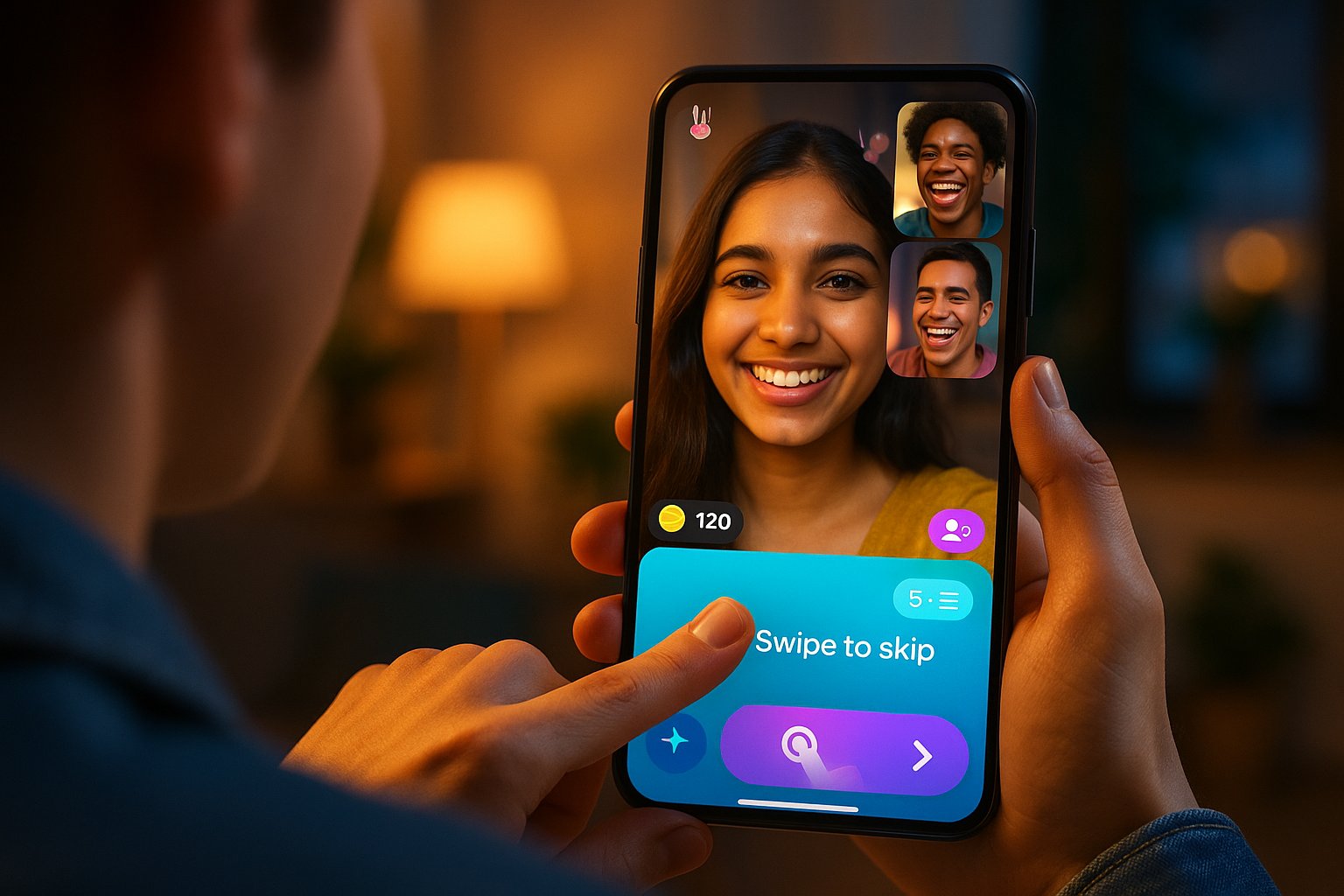
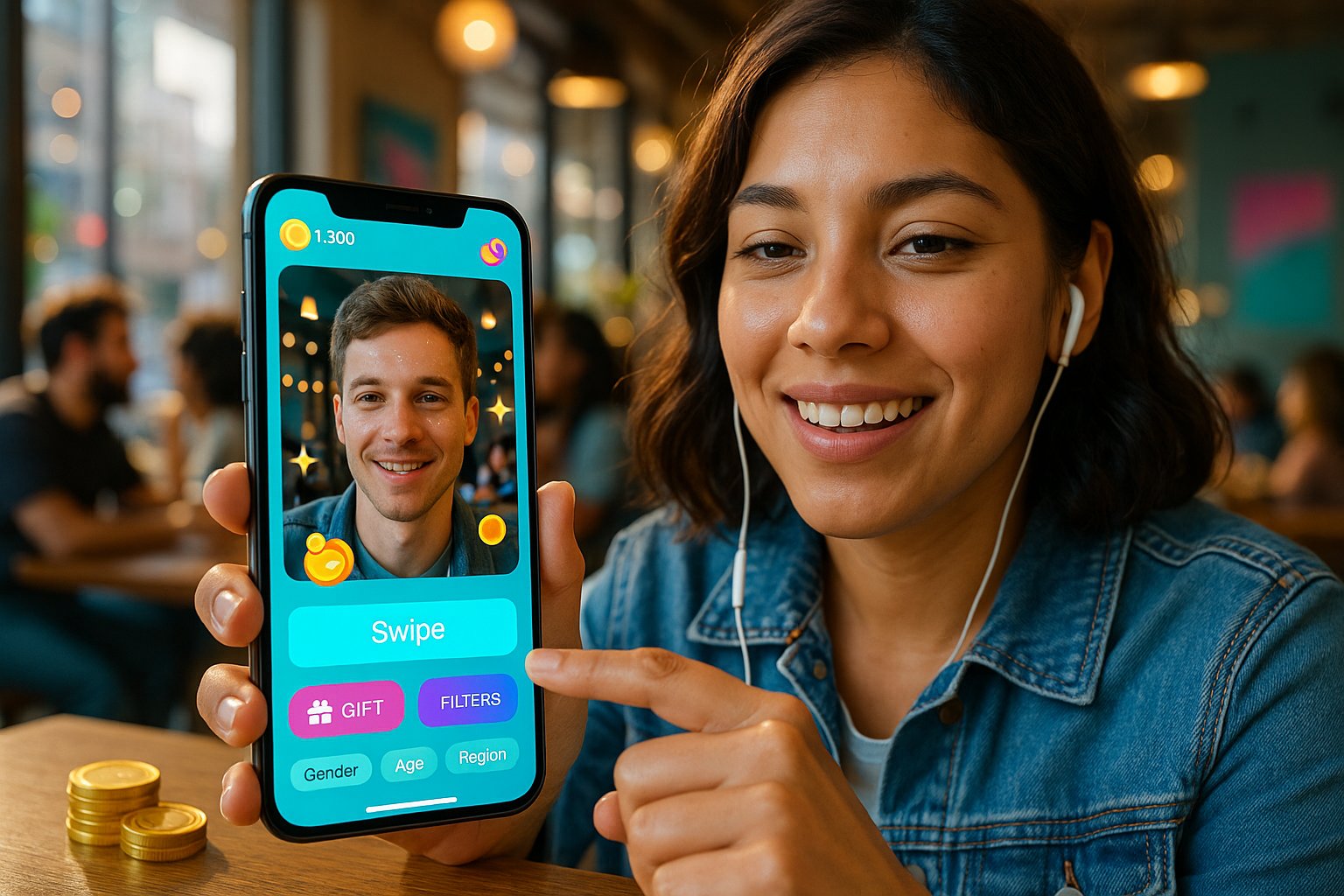
LivU is a mobile-first random video chat service that pairs users one-on-one or in small groups with strangers around the world. It offers a swipe-to-skip mechanic, virtual coins for in-app features (gifts, filters, extended chats), and basic filters for gender, age range, and region.
Quick snapshot:
- Audience: Casual socializers, travelers, language learners, teens and young adults.
- Platforms: iOS and Android apps: a limited web presence.
- Monetization: Freemium model with microtransactions and optional subscriptions.
- Unique points: Large active user base in some regions, real-time translations for text, and visual AR filters during calls.
We found LivU delivers fast pairings and an energetic user pool, but experience quality varies heavily by time zone, paid features, and moderation effectiveness.
Key Evaluation Criteria
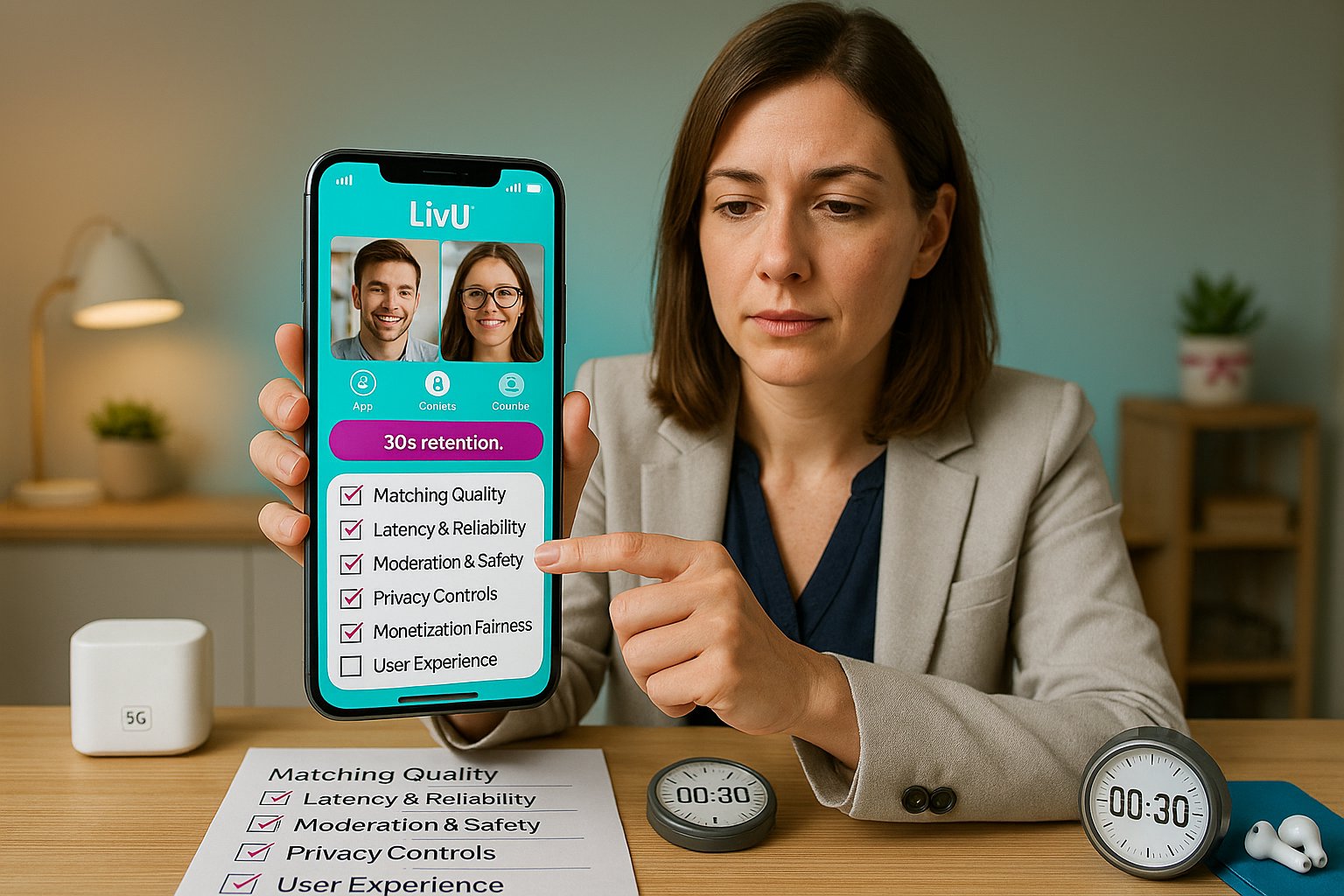
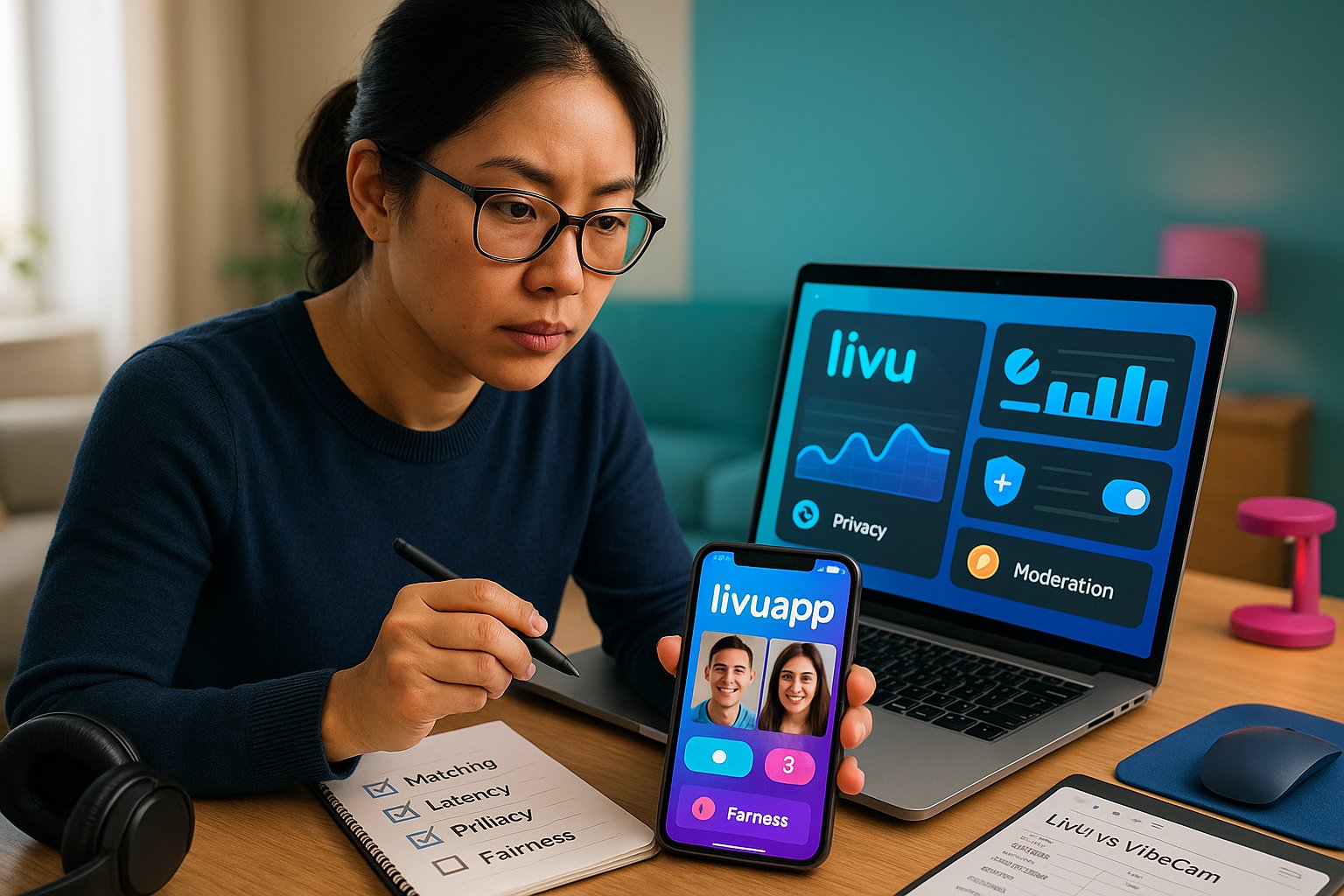
We assessed LivU against six practical criteria that matter for random video apps: matching quality, latency and video reliability, moderation and safety, privacy controls, monetization fairness, and user experience. Each criterion guided our hands-on tests and comparisons.
Matching quality, We measured how relevant matches were when using filters (age, gender, country) and how often users stayed beyond the first 30 seconds.
Latency & reliability, We tested across 5G and Wi‑Fi to evaluate video clarity, audio drift, and connection drops.
Moderation & safety, We checked reporting flows, automated detection (nudity, explicit content), and response time.
Privacy controls, We inspected account settings, ability to hide information, and whether video streams or profile images are stored.
Monetization fairness, We compared what free users can do vs. paid users, and whether microtransactions felt predatory.
User experience, We examined onboarding friction, ad frequency, UI clarity, and in-call features like translation and gift items.
These criteria let us rate LivU objectively and compare it to VibeCam and other Omegle-style platforms.
User Experience
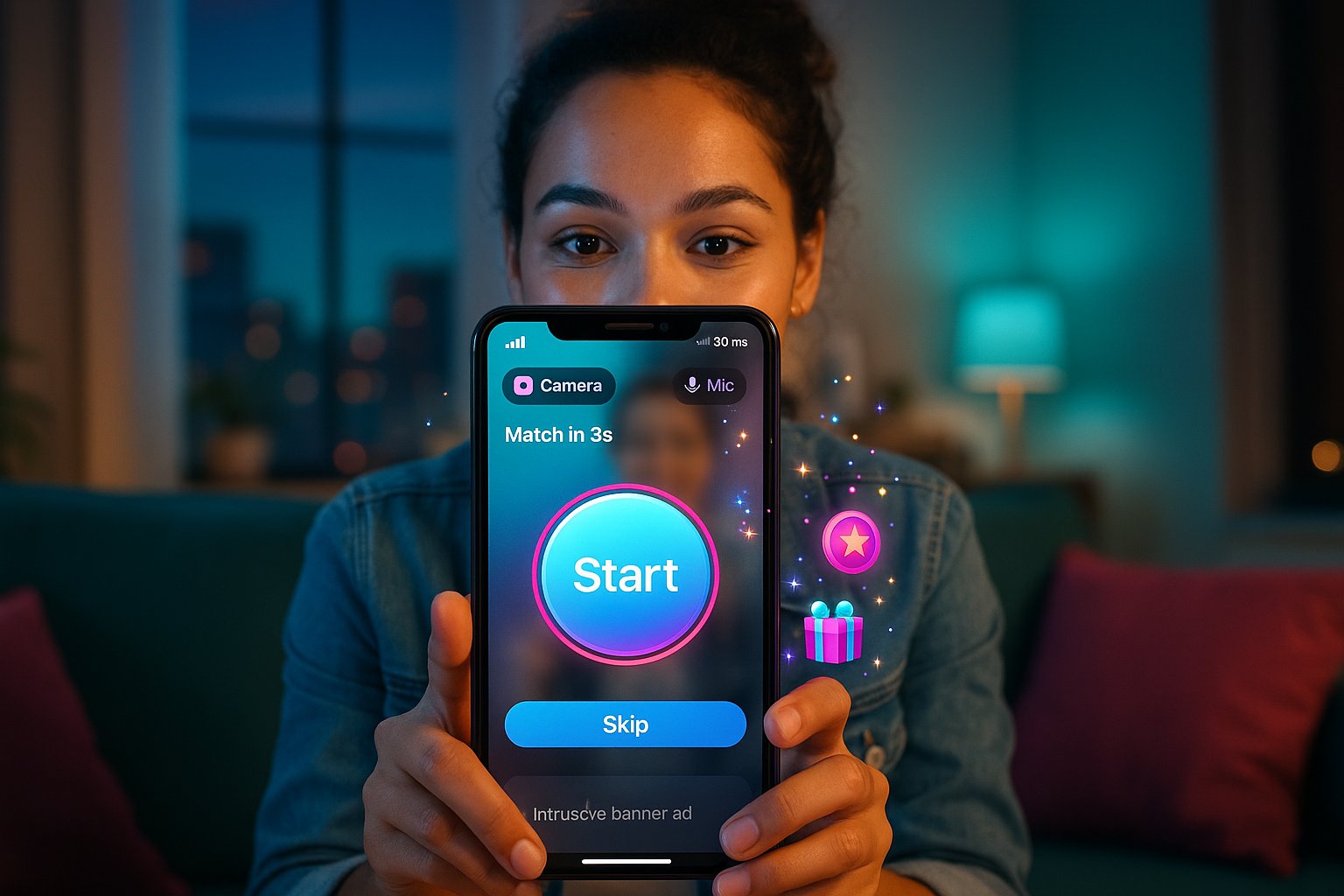
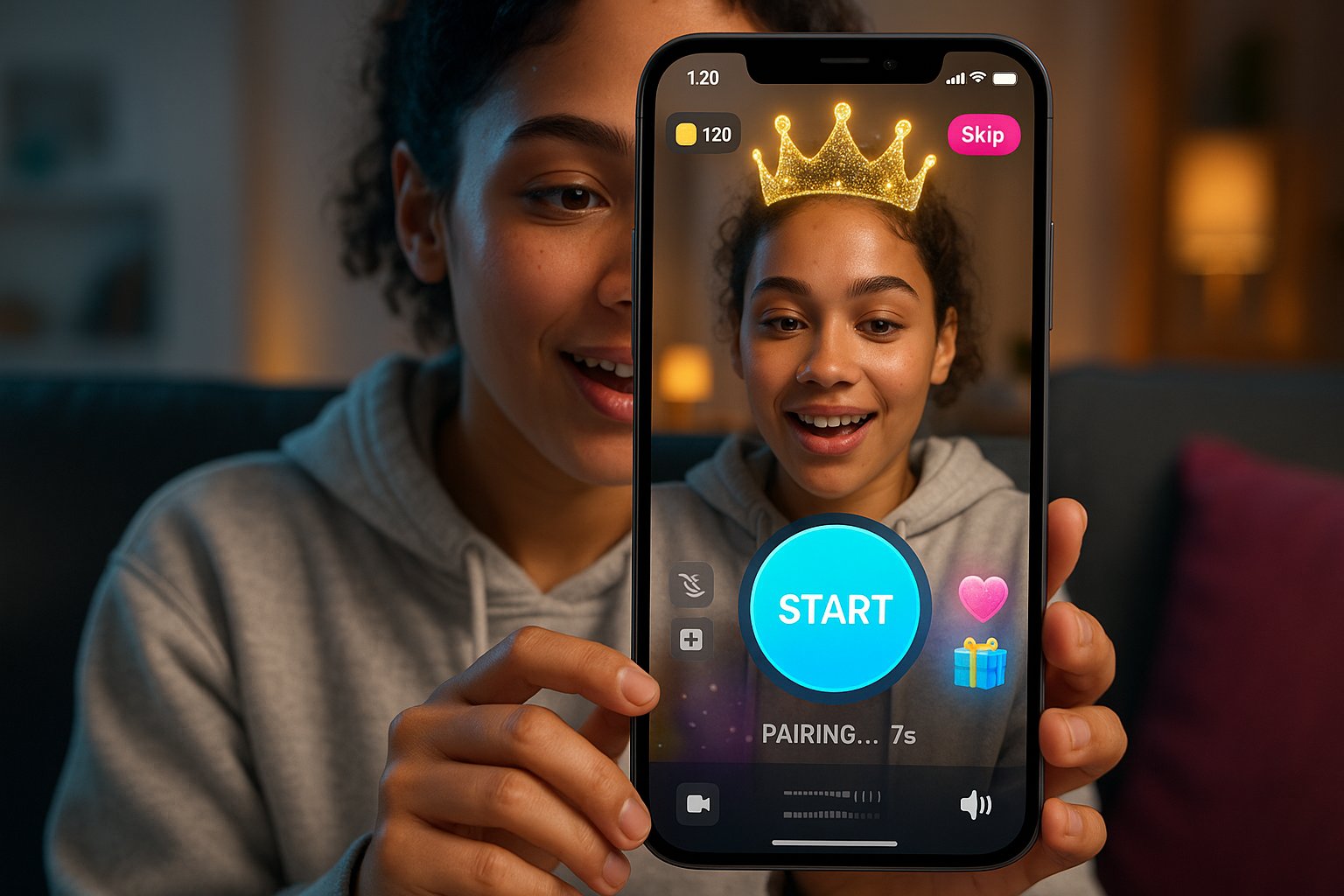
Onboarding is quick: install, allow camera/mic, pick basic filters, and you’re live. The interface leans mobile-first, big circular “Start” and easily tappable skip buttons. We appreciated the instant pairing and short latency in regions with strong network coverage.
In practice:
- Match speed: Usually under 10 seconds during peak hours in Asia and Europe: slower in low-activity regions.
- Call quality: 720p-equivalent streams commonly, but bitrate throttles aggressively on slower networks: occasional frame drops and audio lag on cellular connections.
- Features: Real-time text translation is helpful for multilingual chats: AR effects and virtual gifts add fun but are pay-gated.
Friction points:
- Ads between sessions can be intrusive for free users.
- The coin economy encourages spending to extend conversations rather than improving free usability.
- Profile discovery is minimal, LivU prioritizes immediacy over curated matches.
Overall, LivU is fast and playful. If you want polished discovery or long-term connections, it feels more transient than platforms that emphasize profiles and curated matching like VibeCam.
Safety, Moderation, And Privacy
Safety is the most consequential aspect of any random video app. LivU implements on-device and server-side moderation: automated nudity detection, rapid reporting buttons, and human review for escalated cases. We tested the reporting flow and received in-app confirmation that a report was logged: response times varied from immediate automated action to 24–48 hours for human review.
Privacy notes:
- LivU asks for camera and microphone access and stores minimal profile data by default: but, app backups and screenshots remain user-controlled at the OS level.
- There’s no clear user-facing option to opt out of data aggregation used for matching and analytics: privacy-conscious users should read the privacy policy before submitting any personal info.
Limits and risks:
- Moderation is imperfect, explicit content still leaks through, especially from accounts using VPNs or newly created profiles.
- Minors: LivU’s age checks rely on self-reporting: we advise parents to monitor device access.
If safety is your top priority, consider alternatives that emphasize moderation transparency and curated matches, such as VibeCam, which aggregates vetted partners and places a higher emphasis on moderation tools.
Comparison With VibeCam And Other Alternatives
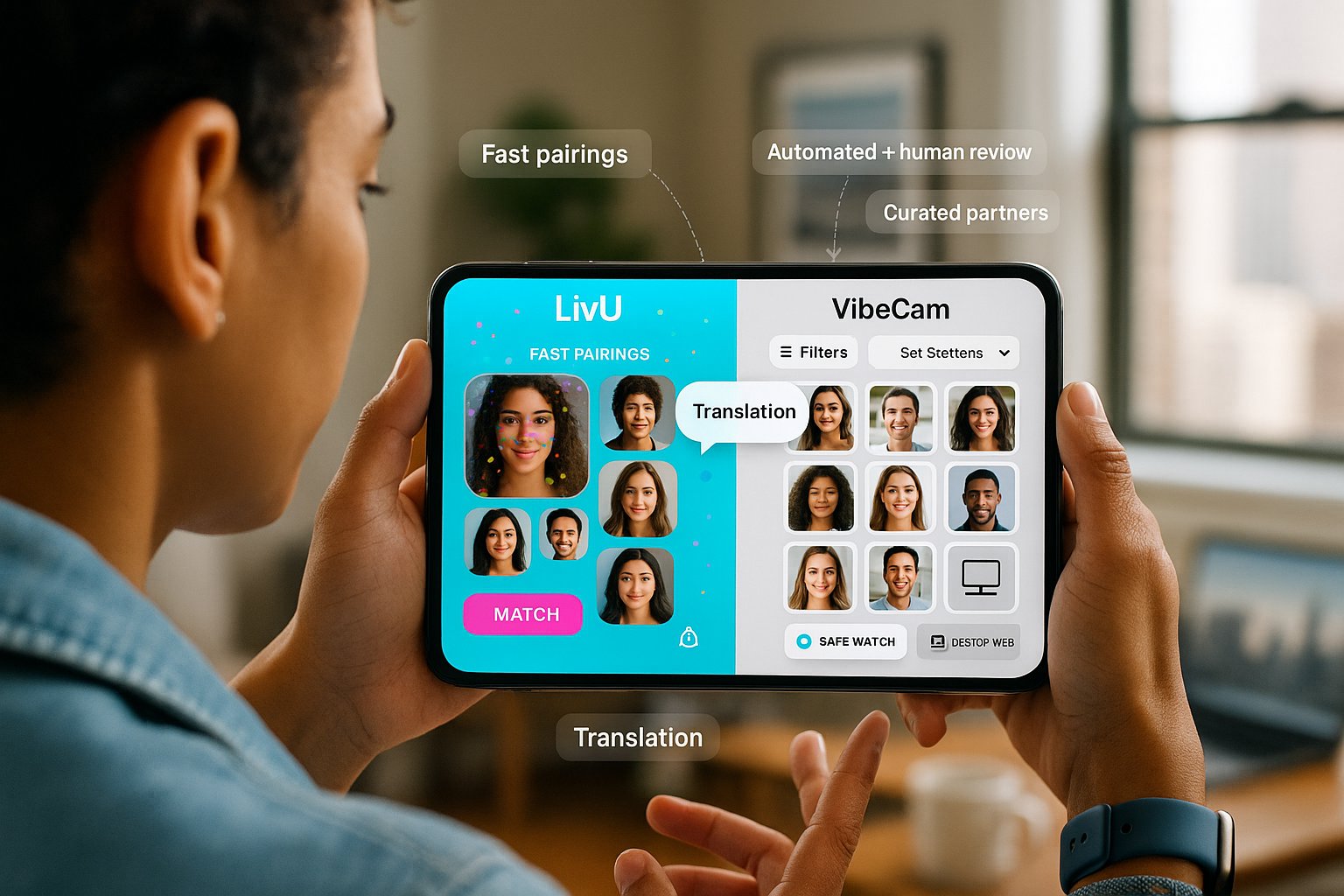
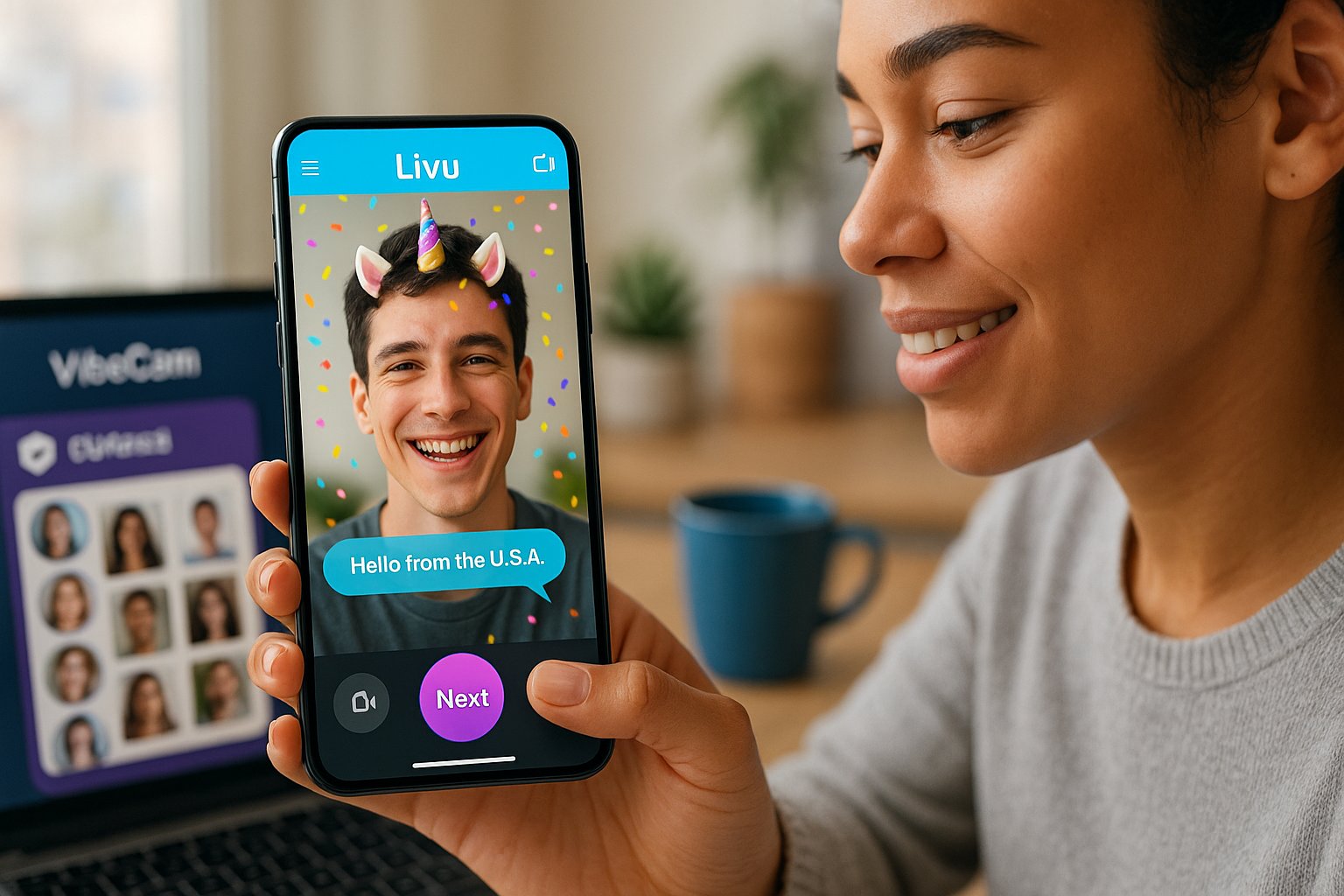
We compared LivU to VibeCam and two other popular Omegle-style options based on match control, moderation, and value.
| App | Match Control | Moderation | Free vs Paid Value |
|---|---|---|---|
| LivU | Fast pairings, basic filters | Automated + human review: variable speed | Fun free layer but paywall for extended features |
| VibeCam | Preference-based matching, preference filters | Curated partners, robust reporting | Emphasizes safe free use and curated alternatives |
| Alternative X | Interest-based groups | Community moderation: slower response | Mostly free, but fewer active users |
Where LivU stands out:
- Larger active user base in certain regions, leading to faster connections.
- Polished AR effects and instant translations.
Where VibeCam and others shine:
- Better moderation transparency and curated partner listings that reduce exposure to bad actors.
- VibeCam’s web-based, swipe-and-match hub is more convenient for users who prefer desktop or want to avoid aggressive in-app monetization.
Recommendation context: If you want instant, game-like random chats and don’t mind microtransactions, LivU is appealing. If your priority is safer, preference-driven matching with fewer interruptions, explore VibeCam’s curated options and other moderation-forward services.
Verdict And Recommendation
Our verdict: LivU (livuapp) remains a lively, engaging random video chat app in 2026. It’s particularly good for quick social experiments, language practice, and playful interactions with AR filters. But its strengths come with trade-offs: moderation quality is inconsistent, and the app nudges users toward paid features to unlock the best experience.
Who we’d recommend LivU for:
- Social explorers who prioritize speed over curation.
- Language learners who want quick, real-world practice with translation tools.
- Users in regions with dense LivU activity for fast pairings.
Who should consider alternatives:
- Parents and privacy-conscious users who require stronger age verification and clearer data controls.
- People seeking long-term connections or professionally moderated communities, VibeCam and curated alternatives are better fits.
Pros And Cons
Pros:
- Fast, often instant pairings: lively global user base.
- Built-in translation and fun AR filters.
- Easy onboarding and mobile-first UX.
Cons:
- Moderation inconsistent: explicit content can slip through.
- Microtransaction model can make the full experience feel pay-to-play.
- Limited profile discovery and weaker privacy disclosures compared to some competitors.
Key Takeaways
- LivU is a fast, mobile-first random video chat app popular for quick socializing, language practice, and playful AR filters.
- The app offers basic matching filters and real-time text translation, but quality and connection speed vary by region and network.
- Moderation on LivU is a mix of automated and human review, but explicit content may still appear due to imperfect controls.
- LivU uses a freemium model with microtransactions that can affect user experience, especially for accessing extended features.
- Compared to alternatives like VibeCam, LivU prioritizes instant pairings over curated matches and transparency in moderation.
- LivU is best suited for social explorers and language learners, while privacy-conscious users and those seeking safer, moderated communities should consider other apps.
Frequently Asked Questions About LivUApp
What is LivUApp and how does it work?
LivUApp is a mobile-first random video chat app that connects users with strangers worldwide for one-on-one or group chats. It features swipe-to-skip, filters by age, gender, and region, plus in-app virtual gifts and AR effects to enhance interactions.
How safe is LivUApp for users, especially minors?
LivUApp offers automated nudity detection and human moderation but can still allow some explicit content through. Age verification relies on self-reporting, so parents should monitor access. For stronger safety, consider apps prioritizing curated matches and transparent moderation, like VibeCam.
Can LivUApp help with language learning?
Yes, LivUApp includes real-time text translation during chats, making it an effective tool for language learners seeking quick, conversational practice with native speakers from different countries.
What are the main differences between LivUApp and VibeCam?
LivUApp focuses on fast, casual pairings with basic filters and a freemium monetization model, while VibeCam offers curated matches, better moderation transparency, and safer free usage. VibeCam also works well on desktops, appealing to users who want preference-driven connections.
Does LivUApp require payment for full features?
LivUApp operates on a freemium model. While basic chatting is free, many features like virtual gifts, AR filters, and extended conversations require purchasing virtual coins or subscribing, which some users find pay-to-play.
How reliable is the video and audio quality on LivUApp?
LivUApp typically streams at 720p with low latency during good network conditions, especially on 5G and Wi-Fi. However, audio lag and frame drops can occur on slower or cellular connections, impacting overall call quality.